How Vent Decontamination Providers Improve HVAC Efficiency: Q&A
Wondering why licensed ductwork sanitization matters for your residence? Over time, dust, allergens build up in your ducts, hurting breathing environment and system performance. From vent cleaning to dryer vent cleaning, experts use green cleaning methods to restore airflow and safety.
- Request a vent cleaning today
- Experience energy savings with emergency duct service
- Rely on a NADCA certified technician
Whether you need mold removal from ducts resolved, the right solution makes all the difference.
What Is Air Duct Cleaning?

What Exactly Is Professional Ductwork Cleansing?
Trained ductwork maintenance includes the comprehensive elimination of pollutants from your building’s heating and cooling system. This service enhances indoor air quality, controls irritants, and ensures reliable system operation.
From home HVAC maintenance to commercial air duct service, the objective is to establish a fresher indoor setting while enhancing the lifespan of your HVAC equipment.
How HVAC Systems Circulate Air
Your climate control system continuously draws air from zones, purifies it, then returns it through a web of channels. Over extended use, this process transports allergens unless the HVAC pathways are professionally cleaned.
- Air travels through pipes multiple times each day
- Dust gather in hard-to-reach corners
- Ongoing air filter replacement slows but won’t eliminate internal buildup
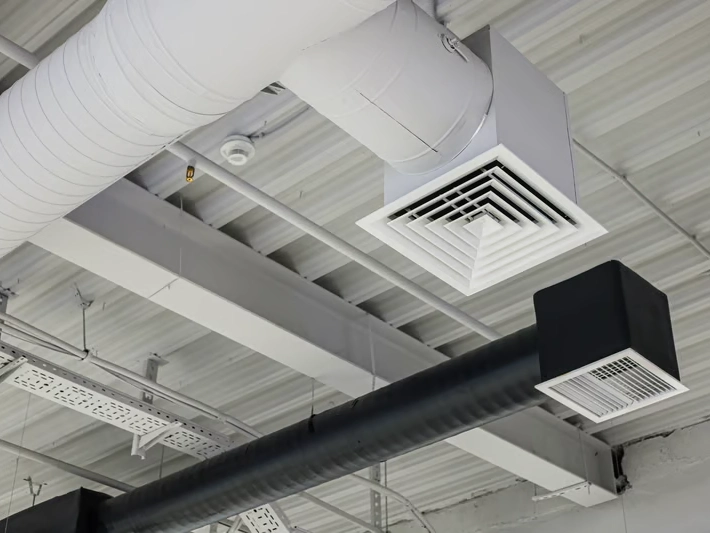
Common Contaminants in Air Ducts
HVAC system gunk often stems from built-up dust, animal hair, mold spores, and even pest waste. These unhealthy substances flow throughout your living space, triggering sinus problems.
Infrequently cleaned ducts can become a hiding ground for pathogens, especially in humid environments. Certified mold removal from ducts is vital to prevent respiratory concerns and preserve air quality standards.
Benefits of Clean Air Ducts
Clean air ducts lead to noticeable benefits in breathing comfort. You’ll enjoy fewer pollutants, cleaner air, and optimal airflow dynamics.
- Dust minimization supports immune system wellness
- Optimized circulation reduces system workload
- Certified furnace duct cleaning contributes to longer equipment life
Signs You Need Duct Cleaning
Mold You Can See in Your Vents
If you spot black growth inside your HVAC openings, it’s a definite sign you need emergency mold removal from ducts. Mold multiplies in damp spaces and can significantly worsen respiratory conditions.
Licensed HVAC contractors use industrial tools to inspect the severity of microbial growth. Neglecting this danger can lead to poor indoor air and major health risks.
Excessive Dust in Your Home
No matter daily wiping, if debris keeps reappearing on furniture, your HVAC system may be circulating contaminated air. This frequent issue points to polluted vents in need of thorough air duct cleansing.
- Allergens moves every time your HVAC operates
- Missing filter maintenance increases the problem
- Air purification offers noticeable relief for asthmatic individuals
Unusual Odors from Vents
Unpleasant smells coming from your air ducts are a red flag of buildup inside your air channels. These scents may stem from bacteria, all of which require professional HVAC purification.
Eco-friendly solutions can neutralize both the cause of the smell and the pathogens causing it. A vent inspection can pinpoint the specific contaminant behind the offensive aroma.
Signs of Vermin in HVAC System
Detecting scratching sounds in your ducts? You might have a rodent invasion living in your ductwork. Mice often hide in inaccessible vents, leaving behind urine that taint your breathing space.
Certified duct cleaning experts can safely extract the debris and seal the area. Entry point repair can stop repeat pest problems and boost energy efficiency.
Professional Duct Cleaning Process
Inspection Using Video Cameras
Before any purification, certified duct cleaners conduct a detailed vent evaluation using industrial video cameras. This allows them to assess blockages and customize the most efficient remediation strategy.
- Onscreen footage displays the contamination inside your HVAC system
- Defects like separations can be spotted for maintenance
- Residents can observe the process to appreciate the need of professional cleaning
Powerful Suction for Deep Cleaning
Truck-mounted HVAC extractors are connected to your HVAC network to eliminate decades of accumulated mold. These efficient machines maintain suction force to avoid pollutants from circulating into your living space.
Unlike homeowner tools, these certified systems can clean hard-to-access sections of your airflow network. This provides a complete air duct sanitization that basic cleaning won’t achieve.
Mechanical Duct Cleaning Methods
After vacuuming, licensed experts use rotating cleaning heads to loosen compacted debris from the linings of your air channels. This physical action guarantees that pollutants are completely removed before final vacuuming.
- Scrubbing cleans elbows where debris commonly occurs
- Industrial tools are constructed to prevent scratching to flexible ducts
Final Duct Purification Steps
Once mechanically decontaminated, your vents may receive an germicidal mist to kill residual mold spores. This final step provides continuous cleanliness and neutralizes scents at the origin.
Safe antimicrobials are regularly used to protect pet wellness. This system treatment step is especially recommended for homes with asthma or after pest infestation cleanup.
Choosing a Duct Cleaning Service
Hiring NADCA Certified Professionals
Always check that your service provider employs certified duct cleaners who follow industry protocols. These licenses show that the team are trained in effective ductwork purification practices.
- NADCA affiliation ensures compliance to quality standards
- Certified pros are more likely to offer honest affordable duct cleaning
Equipment Used by Professionals
Top-tier ventilation experts use high-powered vacuums, borescope equipment, and rotating brushes. This high-tech gear delivers a superior clean than portable units ever can.
Basic tools underperform to extract hidden dust. By selecting a service with powerful technology, you spend wisely on measurable indoor air quality benefits.
Checking a Cleaner’s Track Record
While selecting a ventilation expert, review Yelp feedback to understand their professionalism. Look for consistent praise about cleaning results.
- Beware companies with few feedback
- Trends of poor service indicate a unreliable provider
- Real customer experiences support you in finding affordable duct cleaning
Cleaner’s Promise and Protection
Professional HVAC purification companies offer workmanship warranties. These policies ensure that if you’re concerned, they’ll fix the area at additional extra expense.
Some services even include free home health assessment to prove the results before and after cleaning. This degree of accountability is a reliable sign of a professional commercial air duct service.
Pricing Insights for HVAC Duct Sanitization Services
Home-Sized Duct Cleaning Estimates
Figuring the standard cost of HVAC air duct cleaning depends largely on your property dimensions. Most NADCA certified technicians charge between $300 and $800 for homes under 2,000 sq ft, while larger properties may see prices reach $1,200 due to extended service time. For precise quotes, many companies offer comprehensive ductwork inspections.
- Compact residences often pay between $250 and $500
- Mid-sized homes usually spend $400–$750
- Spacious properties may require $900 and up
What Influences Duct Cleaning Costs
Multiple factors can affect the final price of professional air duct cleaning, beyond just home size. These include the presence of pest infestation in ducts, system complexity, and whether additional services like air duct sanitization are included. Homes with pets, smokers, or recent renovations often face higher costs due to elevated indoor air pollution.
- Long-untreated systems may cost 20–50% more
- Properties with zoning require extended service duration
- Inclusion of same-day duct cleaning adds to the total
DIY Attempts vs Hiring Experts
Even if some property owners attempt home-based duct purging, the results are often incomplete. Consumer vacuums lack the industrial-grade force needed to fully extract debris from deep within HVAC channels. In contrast, professional air duct cleaning specialists use truck-mounted vacuums to ensure deep cleaning and energy efficiency gains.
Trying DIY cleaning can even disturb ducts or spread contaminants into your living space. For measurable improvements in system performance, professional service is strongly recommended — especially when dealing with mold removal from ducts.
Unexpected Charges in Duct Cleaning
Be cautious of companies advertising “discount” duct cleaning that later tack on unexpected fees. Some unscrupulous providers quote a base rate for a small number of vents, then charge extra per vent, for mold inspection. Others may claim your system needs urgent repairs only after starting the job — a tactic known as “bait-and-switch.” Always demand a upfront quote before service begins.
- Additional register fees can inflate bills quickly
- Unscheduled mold removal from ducts or pest treatment may come with high markups
- No-cost estimates should include all potential costs — not just minimum service
Health and Air Quality Benefits of Ventilation System Sanitization
Reducing Allergens and Asthma Triggers
One of the biggest benefits of HVAC air duct cleaning is dramatic lowered sensitivity risks. Dust mites, pollen, pet dander, and mold spores accumulate in ducts and are circulated every time your HVAC runs. By removing these contaminants, you can noticeably reduce allergy symptoms and asthma flare-ups. Families with seasonal allergies often report easier breathing after a thorough home health assessment.
- Feline and canine allergens is a common trigger removed during air duct sanitization
- Outdoor allergens gets trapped in ducts and recirculated without regular AC duct maintenance
- Microscopic irritants thrive in warm, dark duct environments — and are eliminated with NADCA-certified methods
Enhancing Home Breathing Environment
Indoor air pollution can be 2–5 times worse than outdoor air, according to EPA studies. A comprehensive HVAC air duct cleaning helps combat this by removing biological growths from your system. After cleaning, many homeowners notice less dust on surfaces, fewer odors, and a fresher overall atmosphere. Pairing this with regular duct sealing services enhances airflow performance even further.
Whether you live a high-pollen area, a city with poor air quality, or a home with smokers, professional air duct cleaning delivers tangible improvements. For those seeking a safer living environment, it's one of the most effective steps in long-term HVAC care.
Eliminating Mold and Bacteria
Mold growth in HVAC ducts poses serious respiratory dangers. Damp environments — often caused by condensation or leaks — create ideal conditions for mold and bacteria to thrive. Mold removal from ducts specialists use green cleaning methods to not only remove mold but prevent regrowth. This is especially critical after floods, leaks, or high-humidity seasons.
Without proper ductwork inspection, mold can go unnoticed while continuously releasing spores into your home. A full HVAC purification stops this cycle, protecting your family from weakened immunity. For maximum safety, combine cleaning with duct sealing services to maintain a mold-free environment.
Advantages for Homes with Animals
Pet owners face unique challenges with airborne dander. Fur, dander, and tracked-in allergens get pulled into the HVAC system and blown throughout the house. Regular vent cleaning drastically reduces these pollutants, leading to fewer itchy eyes. Many pet owners report their animals seem less itchy after improved air conditions.
- Loose dander clogs filters and ducts, reducing HVAC efficiency
- Litter box scents are trapped and recirculated without proper green cleaning methods
- Air purification helps both humans and pets with skin conditions
Recommended Service Intervals for Ductwork Upkeep
Recommended Cleaning Intervals
The National Air Duct Cleaners Association (NADCA) recommends HVAC air duct cleaning every 3 to 5 years for most homes. However, households with asthmatics may benefit from more frequent service — every 2 to 3 years. If you’ve had recent renovations, water damage, or pest infestations, an immediate cleaning is wise. A professional air duct cleaning provider can assess your needs during a ductwork inspection and recommend a customized schedule.
- Average homes — once per 5-year span
- Pet owners — every 2–3 years
- After major events — urgent sanitization
Quarterly HVAC Checkups
Keeping up with seasonal furnace duct cleaning helps extend system life and improve energy efficiency. Before summer and winter, schedule a NADCA certified ductwork check to clear debris and confirm proper operation. Replace filters every 1–3 months, especially during peak usage. Consider adding carbon monoxide safety checks to your spring and fall routines for maximum protection.
Simple habits like checking for musty smells can alert you to issues early. For those seeking same-day duct cleaning, many providers offer seasonal discounts with dryer vent cleaning.
Cleaning After Construction
Remodeling projects generate massive amounts of dust, drywall particles, and chemical residues — much of which gets sucked into your HVAC system. Even with protective covers, ducts often need a full residential duct cleaning once work is complete. Skipping this step means you’ll be breathing in fine silica dust every time the system runs. A post-reno cleaning ensures your newly updated home is also a healthy one.
For best results, schedule vent cleaning after drywall, sanding, or flooring work. Many commercial air duct service providers offer same-day duct cleaning for post-construction needs. Don’t let clean walls come at the cost of dirty air — prioritize a full air quality testing as your final renovation step.
Keeping Ducts Clean Between Services
Between professional cleanings, a few simple habits can boost the cleanliness of your ducts. Regularly swap out HVAC filters every 1–3 months to trap dust and allergens before they enter the system. Vacuum vent covers monthly to prevent buildup. Use natural air purifiers to reduce airborne chemicals that can cling to duct walls.
- Upgrade to HEPA to improve airflow
- Add duct sealing services to prevent dust entry
- Check for mold — early signs of HVAC trouble
Frequently Asked Questions Related to Air Duct Cleaning Services FAQ
When Is the Best Time to Book Certified Ventilation Purification?
Most homeowners benefit from HVAC air duct cleaning every few years. However, households with cats, respiratory issues, or recent repairs may need more frequent service to reduce airborne contaminants.
Office air system sanitizing should be scheduled every year, especially in frequently occupied buildings. NADCA certified technicians can perform a ductwork inspection to recommend a personalized cleaning schedule.
Why Choose Expert HVAC Cleaning?
Reducing contaminants, mold colonies, and pollen through antimicrobial treatment can significantly improve respiratory wellness. This leads to improved lung function, especially for asthma sufferers.
HVAC air duct cleaning also helps prevent mold removal from ducts and supports carbon monoxide safety. With cleaner air, you may notice less coughing, sneezing, and congestion throughout your household.
Can I Do It Myself or Need HVAC Purging?
Although DIY kits are available, they rarely achieve the same results as licensed HVAC contractor. Home tools lack the reach of commercial-grade extractors used in residential duct cleaning.
Only certified professionals can safely and thoroughly clean hard-to-reach areas like furnace ducts without causing damage. They also offer antimicrobial treatment—services not offered in store-bought kits. For green cleaning methods, it’s best to call a trusted professional team.
What to Expect From a Complete Ductwork Cleaning Process?
A comprehensive residential duct cleaning includes visual assessment, grille removal, and AC coil access. Technicians use negative pressure units to pull out pest droppings from deep within the system.
The process also covers airflow optimization and optional antimicrobial treatment. Many providers include indoor pollution check to confirm system performance improvements. Some even offer carbon monoxide safety checks as part of a full-service package.
How Does Ductwork Service Affect Energy Bills?
Without a doubt, clean ducts improve air circulation, allowing your furnace and AC to operate with reduced stress. This directly contributes to lower energy use and can lead to noticeable energy savings over time.
Clearing debris buildup prevent your system from overworking, which reduces wear and tear. Combined with AC duct maintenance, this service supports This Site sustainable operation, especially when performed by licensed HVAC contractor.